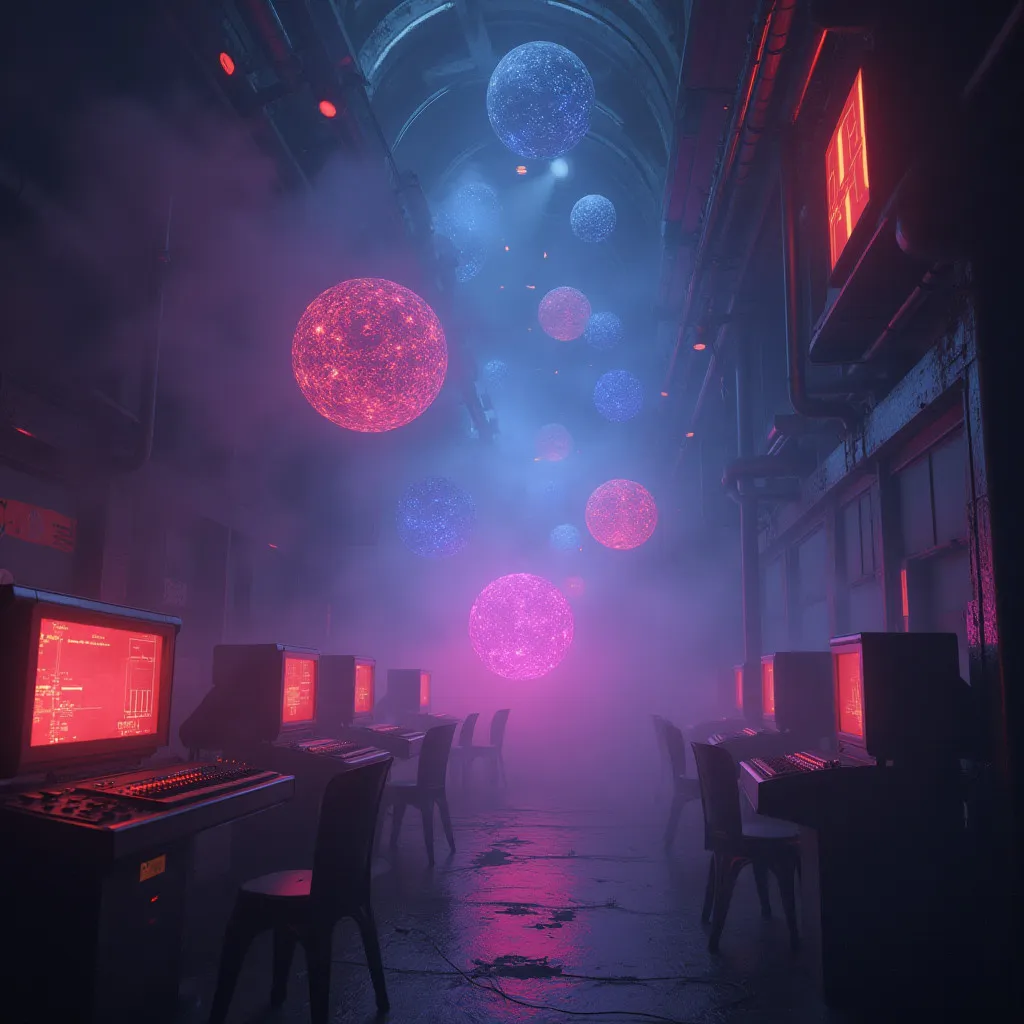
Artificial intelligence has made remarkable strides in generating images that are often indistinguishable from human creations. However, even the most advanced AI systems are not without their flaws. One common pitfall is the creation of unexpected and often humorous anomalies, known as "AI hallucinations."
These hallucinations can manifest in various ways, from bizarre backgrounds to distorted figures. A classic example is the appearance of extra limbs or appendages on subjects. This can be attributed to the way AI models are trained. They learn patterns from vast datasets of images, but sometimes, they overfit on certain patterns, leading to unrealistic or even impossible elements in their generated images.
AI's Artistic Slip-Ups: When Creativity Goes Wrong
Another frequent issue is the misinterpretation of context. AI models may struggle to understand the nuances of human expression or the relationships between objects in a scene. This can result in incongruous or nonsensical elements, such as a hand appearing in an unexpected place, or a character wearing inappropriate clothing for the setting.
Despite these limitations, AI-generated images continue to evolve and improve. As researchers develop more sophisticated models and training techniques, we can expect to see fewer of these amusing mistakes in the future. However, it is precisely these imperfections that make AI-generated art so fascinating, highlighting the ongoing interplay between human creativity and machine intelligence.